

The conservation of the tropical rainforest, and the Indigenous peoples who protect it, is crucial for the life of the countries in the region and the planet as a whole. Here, in the “Great Colombian Maloca,” the continent’s water cycles are determined, the planet’s temperature is regulated, and the reproduction of biodiversity is guaranteed.
Conservation Projects
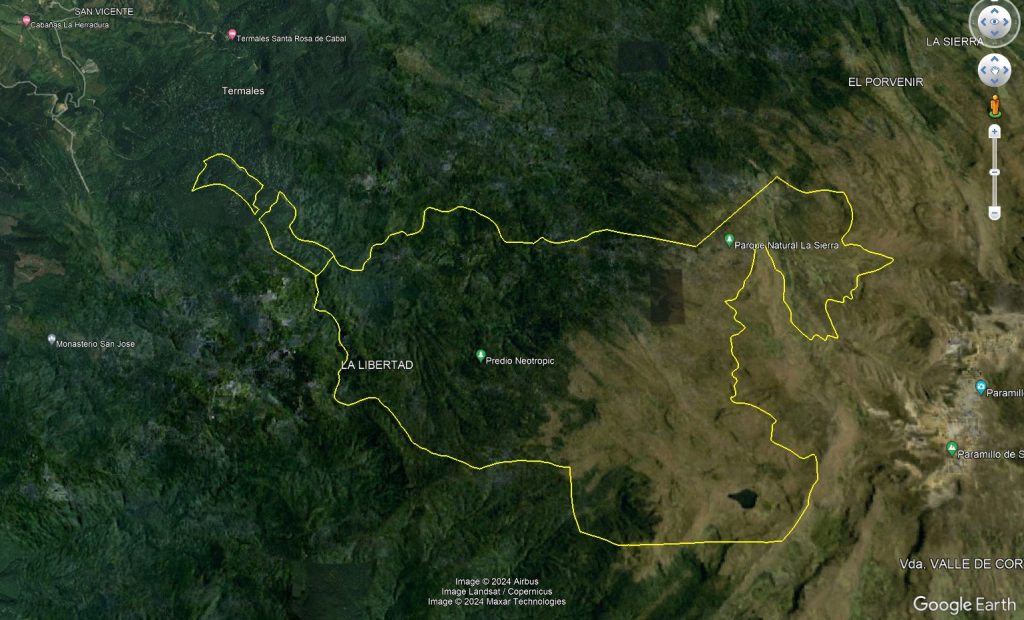
The conservation lands of the Neotropic Foundation cover an area of over two thousand hectares and are located in the municipality of Santa Rosa de Cabal (Risaralda, Colombia).
They include the properties Chupaderos, Sacristán, El Peñol, La Libertad – La Selva, and El Retiro, which together form part of the buffer zone of Los Nevados National Natural Park.
At the upper section of the property lies the Paramillo de Santa Rosa Volcano, which, like the other volcanoes within Los Nevados Park, offers an extraordinary natural landscape.
Walking along its ecological trails, visitors can not only experience the rich biodiversity of the region, but also enjoy the therapeutic hot springs that have made the Paramillo famous.
📍 All are located in the municipality of Santa Rosa de Cabal, Risaralda, between the San Ramón district and the Los Nevados páramo complex.
Environmental situation according to CARDER
Chupaderos Sacristán and El Peñol: They are within the Campoalegre Soil Conservation District (DCS), declared in 2011. 99% correspond to a preservation zone. 1% is a public use zone A (recreation with trails or viewpoints).
La Libertad – La Selva – El Retiro: 70% within the Campoalegre DCS. 30% within the Los Nevados National Natural Park (declared in 1973).
Conservation objectives of the protected area
- Protect the upper and middle basins of the Campoalegre and San Eugenio rivers (sources of drinking water).
- Conserve páramo, high Andean, and Andean forests.
- Restore strategic ecosystems.
- Protect key species such as the Fuertes parrot and the páramo tapir.
- Promote research, ecotourism, thermal baths, and environmental education.
- Promote sustainable production and biotrade.
- Conserve the natural and cultural landscape.
You can adopt from one meter of tropical forest
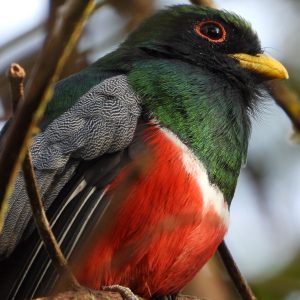
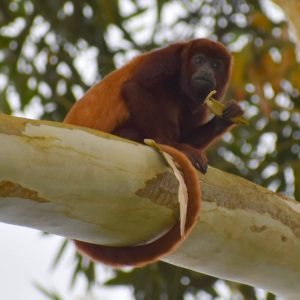
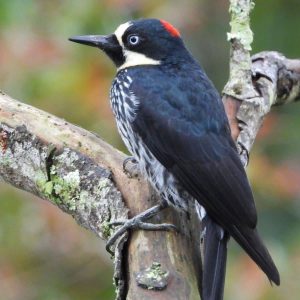
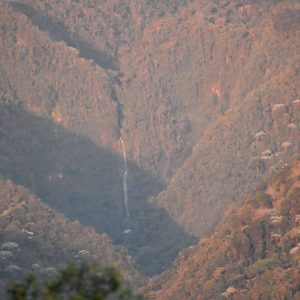
The time has come to act
Adopt from a meter of Rainforest
It is the most effective way to offset your ecological footprint
It is a lifelong adoption
Why conserve ecosystems and biodiversity?
Ecosystems and Biodiversity: The Living Support of the Earth
Ecosystems and biodiversity are the life support systems of our planet — we depend on them for the air we breathe, the food we eat, and the water we drink. Wetlands filter pollutants from water; plants and trees reduce global warming by absorbing carbon; microorganisms decompose organic matter and fertilize the soil to produce our food. Biodiversity helps pollinate flowers and crops and also provides food and medicine essential to our well-being. Without it, we would not be able to survive.
The importance of our natural world is revealed through the countless ways in which Earth’s organisms interact with one another, contributing to the balance of the global ecosystem and the survival of the planet. There is not a single form of life that can exist in isolation.
Why Is the Conservation of Tropical Ecosystems a Priority?
Tropical forest ecosystems harbor the greatest number of plant and animal species on Earth — many of which have yet to be discovered. As modern civilization continues to expand, an increasing portion of these forests is being cleared for commercial purposes. The growing demand in both local and global markets for soy, corn, palm oil, cattle, and other products has led to the destruction of vast areas of tropical forest. Every day, thousands of hectares are lost, along with countless species that evolved over millions of years.
Unique ecosystems such as tropical rainforests and Andean cloud forests have already lost more than 95% of their original extent in many regions, and the lush Amazonian rainforests are being destroyed at an alarming rate.
Providing High-Value Services
Tropical forests provide a wide range of essential goods and services, both globally and regionally, making their conservation critically important. Due to their high biomass, tropical forests help regulate the global climate, reduce the greenhouse effect by storing millions of tons of carbon in plant tissues and soil, prevent soil erosion, and protect the watersheds that supply clean water to millions of people.
If a monetary value were placed on these seemingly free services, it would amount to billions of dollars every year.
A Wealth of Ecosystem Goods
Tropical forests also provide goods such as timber, fibers, resins, and animal and plant products; thousands of edible species — only a fraction of which reach global markets; as well as biological and genetic resources, and medicines. In fact, less than 1% of tropical forest plants have been studied for their pharmaceutical properties. Yet, at least 25% of all modern medicines contain active ingredients derived from plants — many of them first discovered and used by Indigenous peoples.
The Intrinsic Value of Tropical Forests
Tropical forests are also important simply for their existence — for preserving the innate and cultural values of the natural world. Indigenous peoples depend on forests to sustain their way of life, meet their food and housing needs, and maintain their cultural and spiritual traditions.
Many people also enjoy tourism and recreation in tropical forests; students, musicians, writers, and artists have long been inspired by the breathtaking beauty of tropical biodiversity. By conserving biological diversity today, we make it possible for future generations to value and benefit from it as well.
Now, More Than Ever, We Must All Be Conservationists
The degradation of natural habitats continues at an alarming pace, and the near future will determine how much of nature will survive — and which species will vanish, along with their unique genes and carefully evolved roles in the web of life.
Our generation will decide the outcome.
Learn more about Nature and Culture International and join us in our conservation efforts by making a donation today.